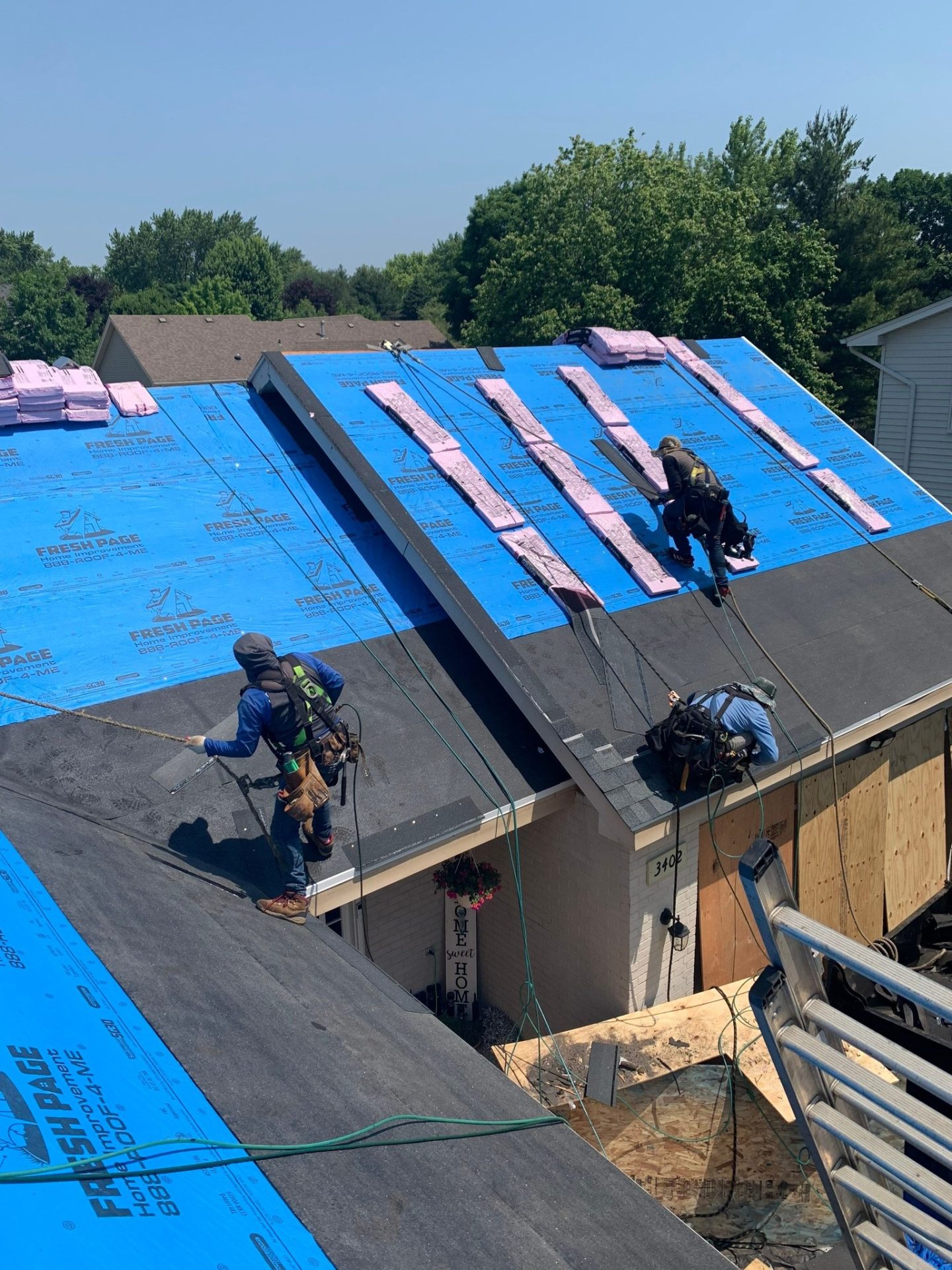
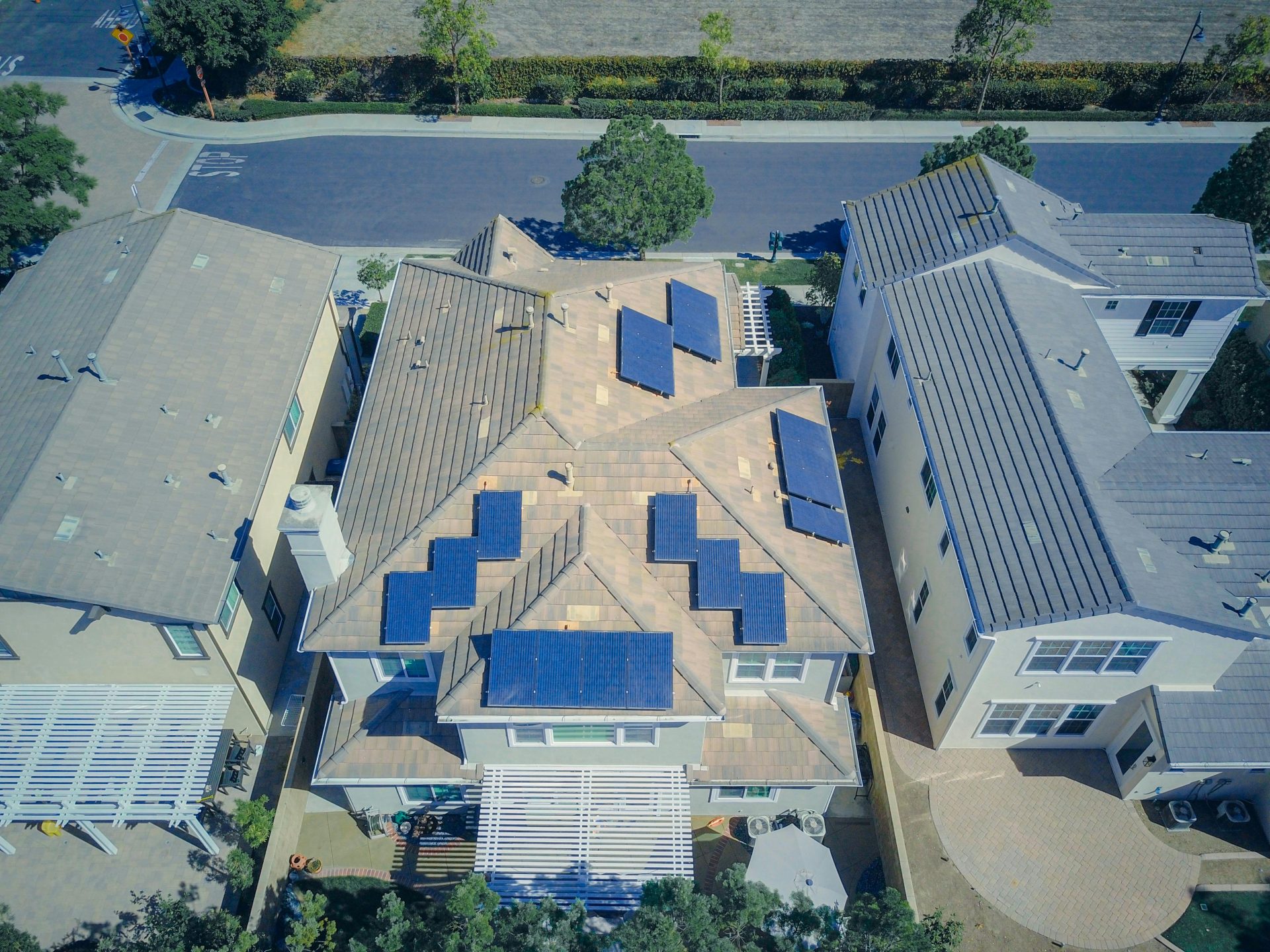
What’s Covered by Home Insurance When It Comes to Roof Damage?
Your roof is one of the most important parts of your home — and also one of the most vulnerable. When a storm, fallen tree branch, or unexpected event causes damage, many homeowners wonder: Does my home insurance cover this? The answer is: it depends.
In this guide, we’ll break down what’s typically covered by home insurance when it comes to roof damage, what’s not covered, and how you can make sure you’re protected.
✅ Roof Damage Typically Covered by Home Insurance
Most standard homeowners insurance policies cover sudden and accidental damage caused by events beyond your control, also known as “perils.” These often include:
-
Wind and Hail Damage
High winds, tornadoes, or hailstorms can tear shingles off or puncture your roof. Insurance usually covers these events. -
Falling Objects
If a tree branch or other object falls on your roof, repairs or replacement are often included. -
Fire and Smoke Damage
Fires, lightning strikes, and the resulting smoke damage are covered under most policies. -
Vandalism
If your roof is damaged due to intentional harm or vandalism, insurance typically pays for repairs.
❌ Roof Damage Not Usually Covered
Insurance companies often exclude coverage for roof issues caused by lack of maintenance, neglect, or normal aging. Some common exclusions include:
-
Wear and Tear
Roofs have a natural lifespan (often 15–30 years depending on material). Damage due to age or deterioration isn’t covered. -
Improper Installation or Poor Maintenance
If a roofing contractor didn’t install your roof correctly or you failed to maintain it (such as ignoring leaks), insurance may deny the claim. -
Excluded Materials
Certain policy types don’t cover roofs made of specific materials considered high risk, like wood shake.
📝 How Insurance Companies Decide
When you file a claim, your insurance company will typically send an adjuster to inspect the damage. They’ll consider factors such as:
-
Age of the Roof — Older roofs may receive partial coverage (depreciated value instead of full replacement).
-
Cause of the Damage — Only sudden, accidental perils are usually covered.
-
Policy Terms — Some policies offer “replacement cost value” (RCV), while others only pay “actual cash value” (ACV).
Tips for Homeowners
-
Review Your Policy: Understand what’s covered and what exclusions apply.
-
Document Damage: Take clear photos and videos before making repairs.
-
Perform Regular Maintenance: Clean gutters, replace worn shingles, and schedule inspections.
-
Work with a Professional: Roofing contractors experienced in insurance claims can help you navigate the process.
The Bottom Line
Home insurance often covers roof damage from sudden, unexpected events like storms, fire, or falling objects — but not from wear and tear or neglect. Knowing your policy details and working with a trusted roofer ensures you’re protected when the unexpected happens.
FAQ: Roof Damage & Home Insurance
Usually yes—if the leak is caused by a sudden, accidental peril (e.g., wind, hail, falling object). Leaks from wear, age, or poor maintenance are typically not covered.
In most policies, hail is a covered peril. Coverage can vary by state and insurer, and some policies have separate hail/wind deductibles.
Windstorm/tornado damage is generally covered. Some regions apply a percentage-based wind/hurricane deductible.
It depends on the scope of damage, your roof’s age, and whether your policy is Replacement Cost Value (RCV) or Actual Cash Value (ACV). RCV aims to cover full replacement (minus deductible). ACV subtracts depreciation.
Older roofs may still be covered for sudden perils, but payouts are often depreciated (ACV) or subject to material/age limits.
No. Wear and tear, neglect, improper installation, and routine deterioration are standard exclusions.
Yes, typically. Insurers often cover reasonable emergency measures (like tarping) to prevent further damage—save receipts.
You pay the deductible first; the insurer pays covered costs above that amount. Some policies have special deductibles for wind/hail/hurricane.
Date-stamped photos/video, invoices, maintenance records, and a roofer’s inspection report strengthen your claim.
- Mitigate further damage (tarp).
- Document everything.
- Notify your insurer.
- Get an inspection/estimate from a qualified roofer.
- Meet the adjuster.
- Review settlement and repairs.