The Ultimate Guide to Solar Roofing
The Complete Guide to Solar Roofing: What Every Homeowner Should Know Before Going Solar
Switching to solar energy is one of the smartest investments you can make for your home — but before you install panels, your roof needs to be ready.
From age and material type to pitch, orientation, and seasonal timing, several factors affect how efficiently your solar panels will perform and how long they’ll last.
This complete guide from Fresh Page Home Improvement answers the most common homeowner questions about solar roofing, helping you understand what to expect and how to prepare.
🔹 Can You Put Solar Panels on an Old Roof?
Technically, yes — but it’s rarely recommended. Solar panels are designed to last 25–30 years, so if your roof is already 15+ years old or showing signs of wear (cracked shingles, leaks, sagging areas), installing solar now could cost you more later.
If the roof fails before the panels reach their lifespan, you’ll have to remove the system, replace the roof, and reinstall everything — doubling your labor cost.
✅ Pro tip: Replace or re-roof before going solar if your roof has less than 10–12 years of life left.
🔹 How to Know If Your Roof Is Solar-Ready
A solar-ready roof meets three main conditions:
-
Good Condition: Structurally sound with no leaks, rot, or soft spots.
-
Proper Orientation: Ideally faces south or southwest to capture maximum sunlight.
-
Minimal Shade: No large trees or obstructions casting shadows during peak hours.
Professional solar roof assessments also look at:
-
Roof angle or pitch (typically 15°–40° is ideal)
-
Available square footage for panels
-
Roof material (asphalt, metal, or tile)
-
Weight capacity of your trusses and decking
If you’re unsure, Fresh Page offers a roof and solar readiness inspection to evaluate your home’s suitability before installation.
🔹 Should You Replace Your Roof Before Installing Solar Panels?
If your roof is nearing the end of its life — older than 12–15 years — it’s wise to replace it first.
A new, solar-ready roof ensures your panels sit on a secure surface for decades, prevents leaks under mounts, and avoids the cost of future removal and reinstallation.
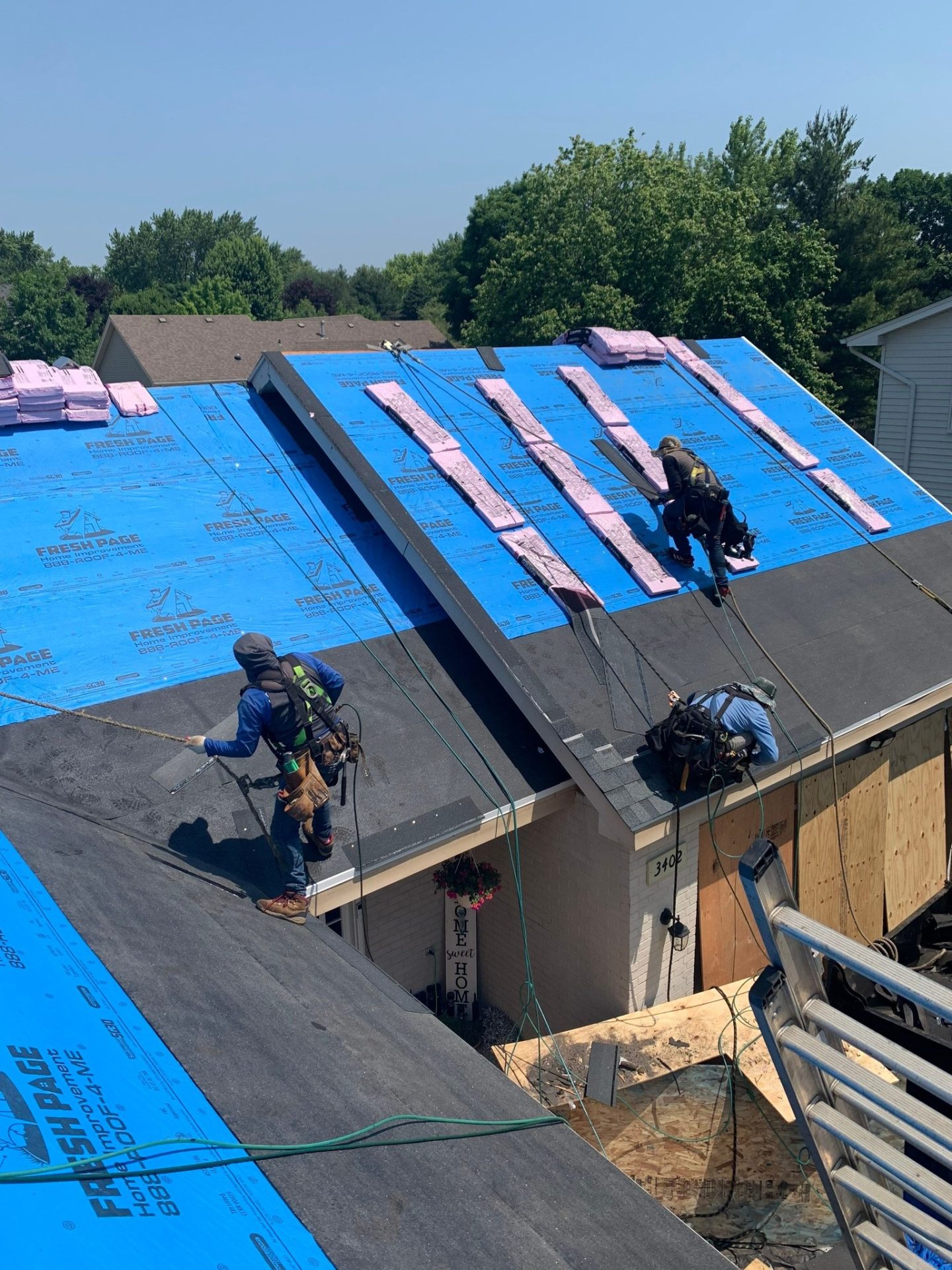
When we install a new roof for a solar project, we use solar-rated underlayment and flashing designed to protect your investment long-term.
🔹 What Happens to Solar Panels When You Replace Your Roof?
When replacing a roof with an existing solar system:
-
Your solar installer disconnects and removes the panels safely.
-
The roofing team completes the tear-off and installation.
-
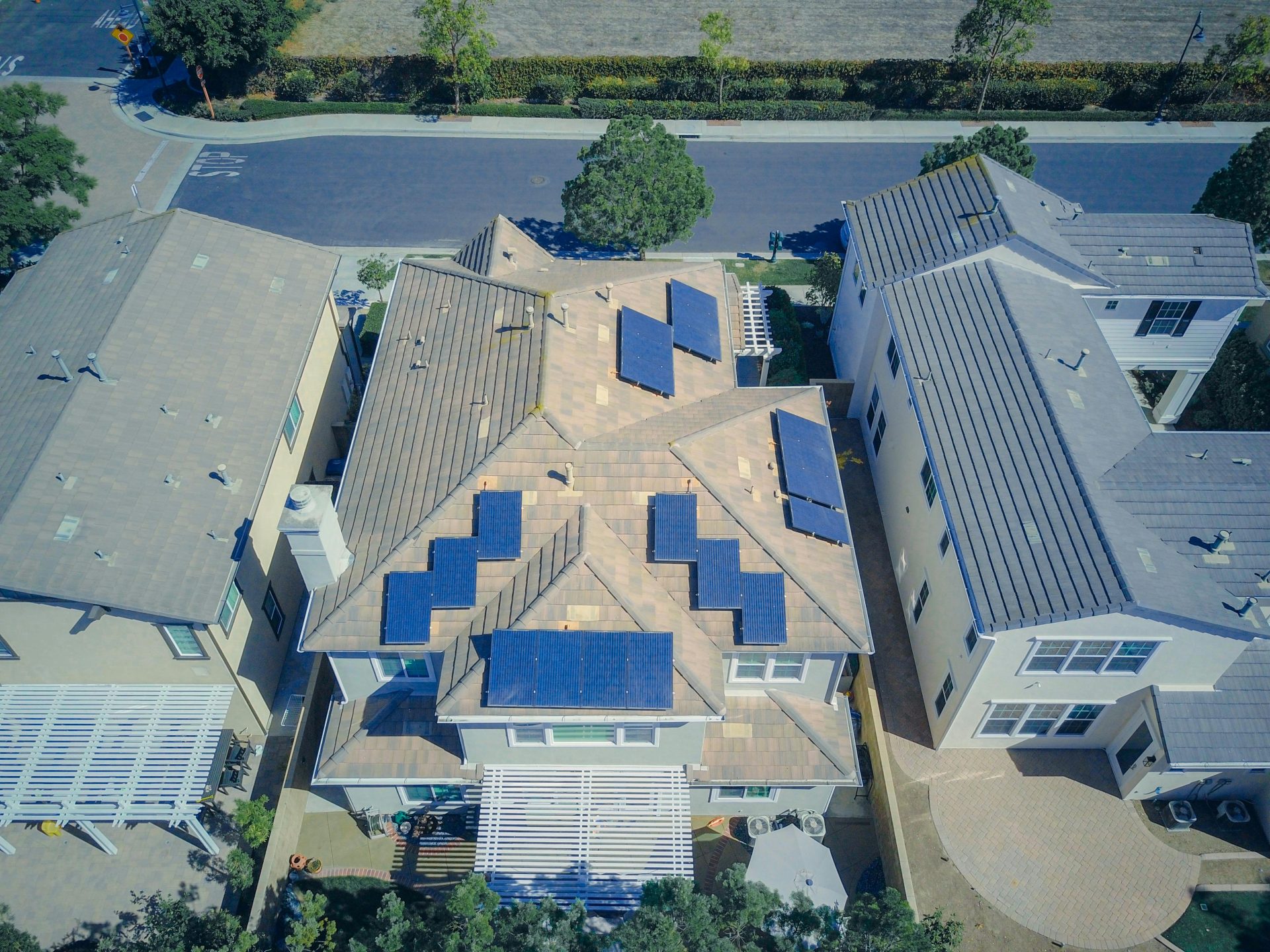
Panels are reinstalled and reconnected — ideally with upgraded mounts or wiring if needed.
At Fresh Page, we coordinate this entire process with your solar provider, ensuring your warranty remains valid and downtime is minimized.
🔹 How Long Does a Solar Roof Last Compared to Regular Roofing?
-
Solar panels: typically 25–30 years.
-
Asphalt shingle roofs: 20–25 years.
-
Metal roofs: 40–70 years.
-
Tile roofs: 50+ years.
To maximize value, align your roofing and solar system lifespans. That’s why many homeowners choose to replace or upgrade their roof right before solar installation.
🔹 Metal Roofs vs. Shingle Roofs for Solar Panels
| Feature | Asphalt Shingle | Metal (Standing Seam) |
|---|---|---|
| Cost | Lower upfront cost | Higher upfront, lower lifetime cost |
| Durability | 20–25 years | 40–70 years |
| Solar Mounting | Roof-penetrating brackets | Seam clamps (no drilling) |
| Maintenance | Moderate | Very low |
| Best For | Affordable re-roofs, quick installs | Long-term solar investment |
Verdict: Both work well for solar, but metal roofs offer unmatched longevity and easy installation without roof penetrations.
🔹 Flat Roof Solar Systems: Design and Mounting Options
If your home or garage has a flat roof, solar is still possible! Installers use tilt-up racks that angle the panels toward the sun.
Two common options:
-
Ballasted Systems: Panels rest on weighted mounts, no roof penetration needed.
-
Attached Systems: Panels are anchored directly to the roof structure.
Flat roofs actually allow precise orientation and can be highly efficient when designed properly.
🔹 Roof Pitch and Orientation: How They Affect Solar Efficiency
-
Pitch (angle): A slope between 15°–40° typically captures the most sunlight.
-
Orientation: South-facing roofs get the most consistent exposure; east/west roofs still perform well with slightly reduced output.
-
Shade: Trees, chimneys, or nearby buildings can reduce energy production — trimming or microinverters can help offset this.
Tip: During your consultation, Fresh Page can calculate your roof’s solar potential based on pitch, azimuth, and location.
🔹 Do Solar Panels Damage Roof Shingles? Myths vs. Facts
Myth: Solar panels damage roofs.
Fact: When properly installed, panels protect your shingles by shielding them from UV rays, wind, and rain.
Damage only occurs if mounts are installed incorrectly or if flashing isn’t sealed. That’s why hiring an experienced roofing company familiar with solar integration is crucial.
🔹 Best Time of Year to Install Solar Roofing in [City/State]
While solar panels can be installed year-round, the best time for solar roofing depends on your climate:
-
Spring and Fall: Ideal for mild weather and quick installation timelines.
-
Summer: High energy demand makes it the most popular season for going solar.
-
Winter: Cooler temps can improve panel efficiency but may bring weather delays.
Planning ahead ensures your system is up and running before peak sunlight months.
☀️ Get Your Roof Solar-Ready With Fresh Page Home Improvement
Before you invest in solar panels, make sure your roof can support them for decades to come.
At Fresh Page Home Improvement, we specialize in solar-ready roofing — from re-roofing and replacements to solar coordination and flashing upgrades.
📞 Call us today or request a free quote to schedule your solar roofing assessment.
SEO Metadata
Title: The Complete Guide to Solar Roofing | Is Your Roof Ready for Solar Panels?
Meta Description: Learn everything about solar-ready roofing — from roof age and materials to pitch, orientation, and installation timing. Fresh Page Home Improvement explains how to prepare your home for solar panels.